Osteoarthritis
Knee & Hip Osteoarthritis
PCP (Peripheral blood Cell Purification) offers a non-surgical, rejection-free, long-lasting regenerative option for osteoarthritis.
What is Osteoarthritis?
Osteoarthritis (OA) is the most common degenerative joint disease, in which the articular cartilage gradually breaks down due to aging or repetitive wear, leading to joint pain, stiffness, and loss of function. The WHO estimates that approximately 18% of women and 10% of men aged 60 and above are affected worldwide; the prevalence among adults aged 65+ in Taiwan is roughly 15–25%.
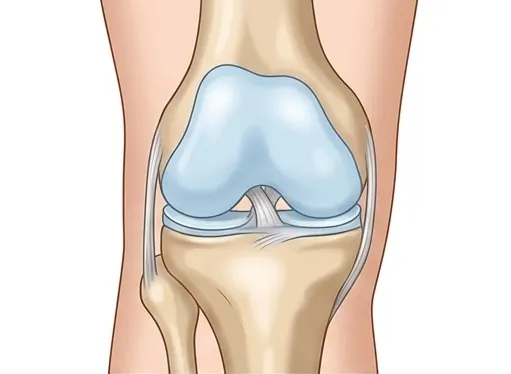
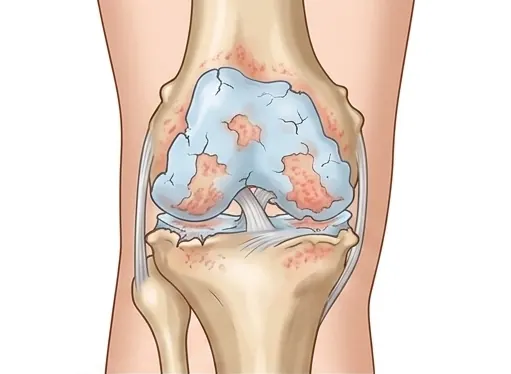
Knee Osteoarthritis
Stair-climb pain, stiffness, catching
Typical symptoms include knee pain when climbing stairs, difficulty rising from a seated position, morning stiffness, swelling, and catching sensations. In advanced cases, walking and quality of life are significantly impacted — Knee OA is the most common degenerative joint condition in older adults.
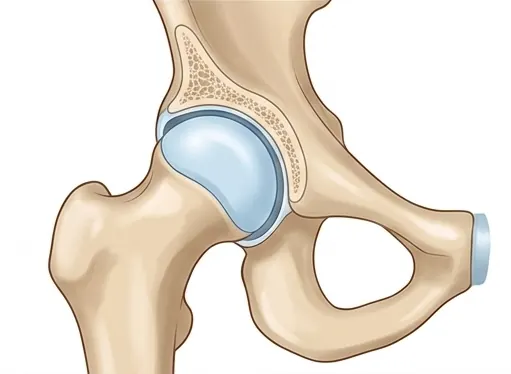
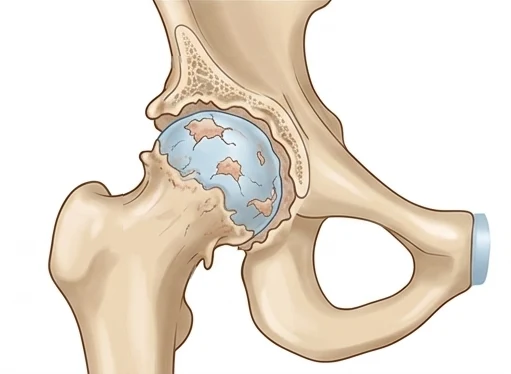
Hip Osteoarthritis
Groin pain, restricted hip motion
Pain typically presents in the groin or anterior thigh, with stiffness after walking or prolonged sitting and progressive loss of hip range of motion. Higher-risk groups include older adults, those under long-term joint loading, and patients with prior hip trauma; Hip OA may also co-occur with avascular necrosis of the femoral head.
Staging (Kellgren–Lawrence)
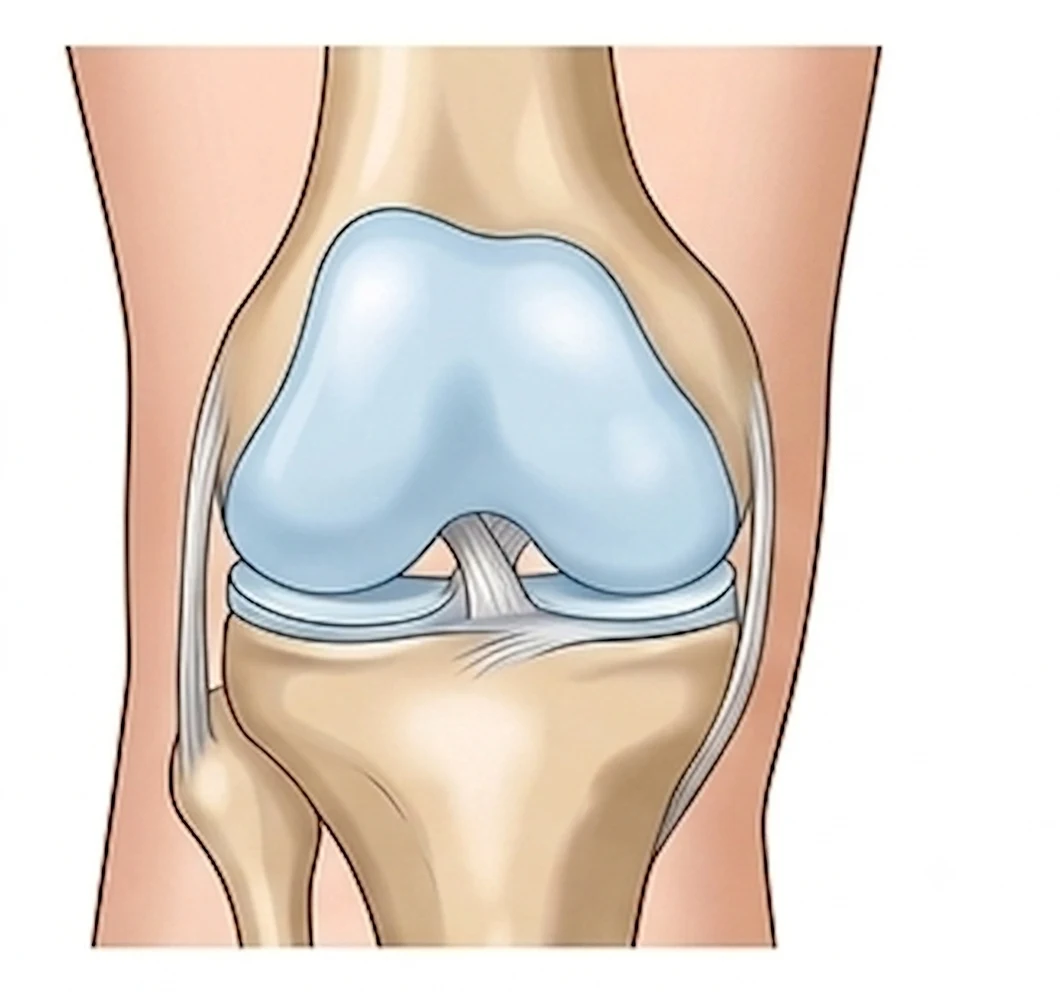 Grade IMild — minor osteophytes visible on X-ray, slight pain.
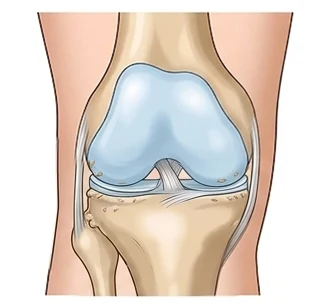 Grade IIMild–moderate — slight joint space narrowing.
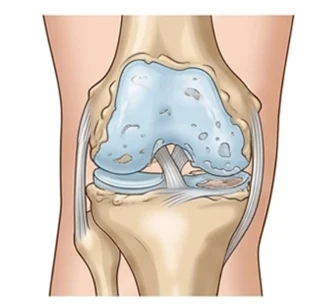 Grade IIIModerate — significant cartilage loss, restricted joint motion.
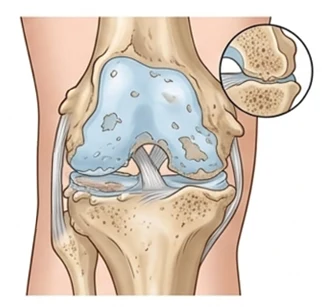 Grade IVSevere — near-complete loss of cartilage, bone deformity; surgery often indicated.
Hip OA — Special Note
Treatment options for hip OA have historically been very limited, leaving most patients with the dilemma of "ineffective conservative care or joint replacement." PCP therapy offers a non-surgical alternative for these patients, with clinical observations indicating meaningful pain improvement.
PCP Effectively Reduces OA Pain and Improves Functional Outcomes
Follow-up data shows sustained benefits beyond two years
KOOS Analysis N=20
Pain / Activity Limitation (both lower is better) — Pre-treatment, 12-month, 24-month follow-up
Pain(lower better)
Activity Limitation(lower better)
Intra-articular PCP Injection Reduces Subchondral Bone Edema
MRI images confirm significant reduction in bone edema area following treatment.
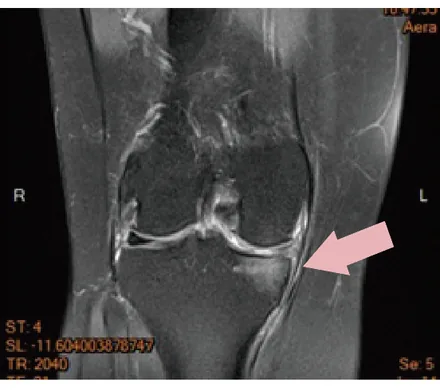
BEFORE
Pre-treatment MRI
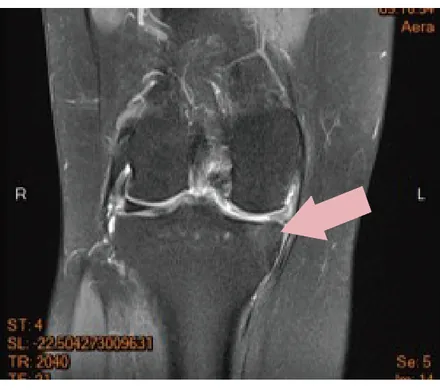
AFTER
Post-treatment MRI (edema reduced)
Peripheral Blood Cell Purification (PCP)
A proprietary process enriches blood monocytes and promotes differentiation into anti-inflammatory, repair-promoting M2 macrophages.
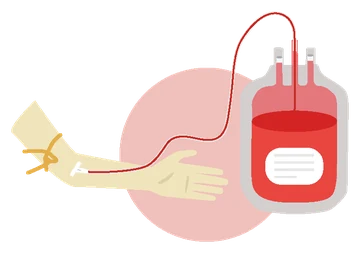
Blood Drawing
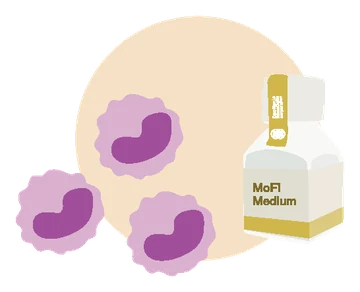
Enrichment
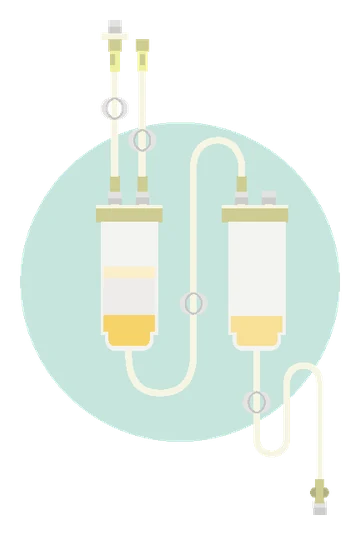
Purification
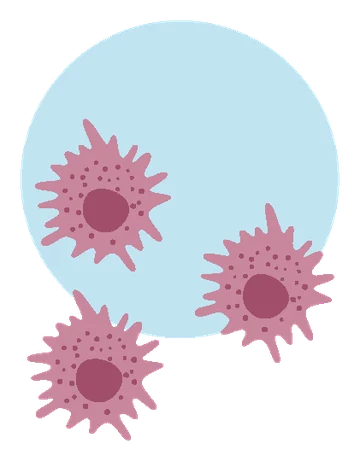
Qualification

Injection
PCP vs. Other Regenerative Therapies
| Item | PCP (PBMC) | MSC | PRP | PLT | Amniotic |
|---|---|---|---|---|---|
| Price | +++ | ++++ | + | +++ | ++ |
| Blood Volume | 100 ml | Autologous bone marrow / fat | 10 ml | 250 ml | — |
| Prep Time | 2.5 hr | 1 month | 30 min | 2 wk | 5 min |
| Key Component | Activated M2 macrophages | Mesenchymal stem cells | Platelets | Platelet lyophilizate | Amniotic extract |
| Treatment Frequency | 1 injection/yr | 1 injection/yr | Multiple/yr | Multiple/yr | Multiple/yr |
| Treatment Scope | Multi-site | Single site | Single site | Multi-site | Single site |
| Risk | No significant risk | Requires liposuction/bone marrow surgery | Post-injection inflammation (high TGF-β) | Post-injection inflammation (high TGF-β) | Allogeneic source — variable quality |
PCP Therapy Video
- Chung YH, Hu MH, Kao SC, et al. Preclinical Animal Study and Pilot Clinical Trial of Using Enriched Peripheral Blood-Derived Mononuclear Cells for Intervertebral Disc Degeneration. Cell Transplant. 2024 Jan–Dec.
- Wang FH, et al. Induction of type II collagen expression in M2 macrophages derived from peripheral blood mononuclear cells. Sci Rep 12, 21663 (2022).
- Chuang CH, et al. Enriched Peripheral Blood-Derived Mononuclear Cells for Treating Knee Osteoarthritis. Cell Transplant. 2023;32:09636897221149445.